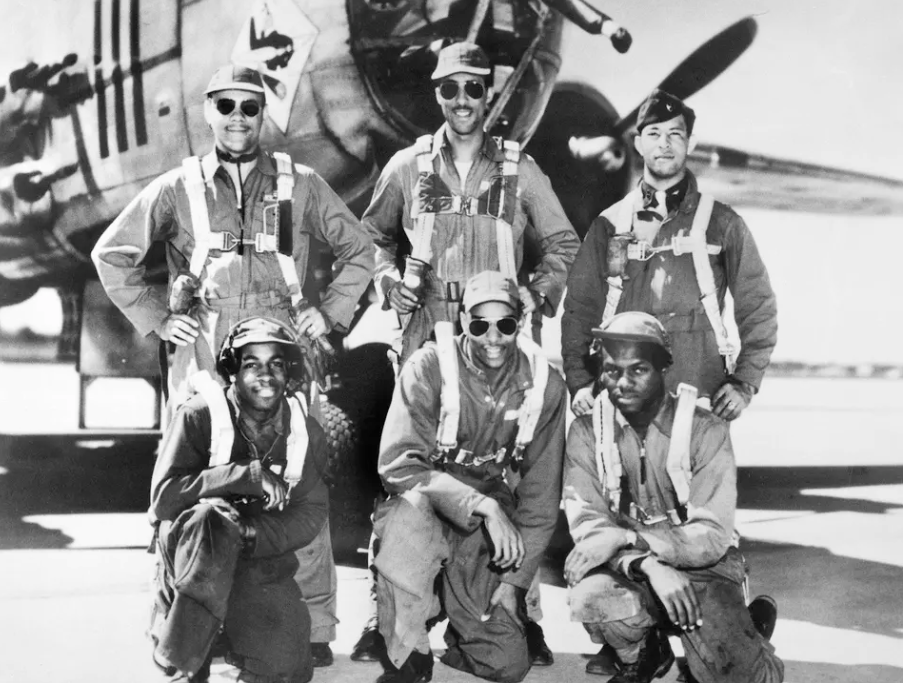
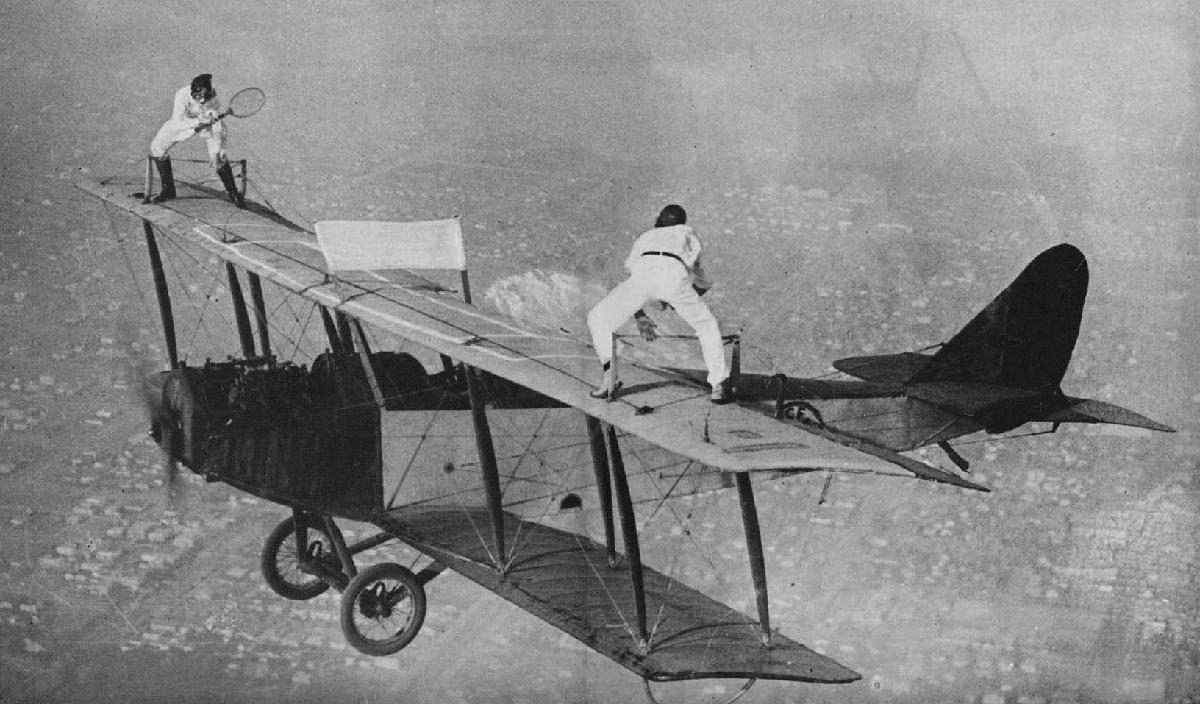
Barnstorming defined the “Golden Age of Flight,” as daring pilots performed aerial stunts and offered rides to rural crowds. Despite widespread segregation, Black aviators used barnstorming to bypass discriminatory flight schools and gain vital experience.

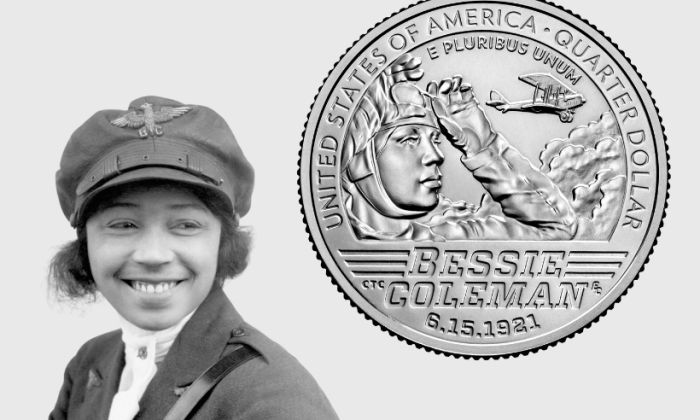
Bessie Coleman, the first African American woman to earn a pilot’s license, became a superstar of the era, refusing to perform for segregated audiences. Other pioneers, like William J. Powell and James Herman Banning, formed flying clubs and transcontinental troupes that democratized aviation. These barnstormers proved Black technical skill and bravery in an era that denied both, ultimately laying the ideological and practical foundations for the Tuskegee Airmen and the future of civil rights in the skies.
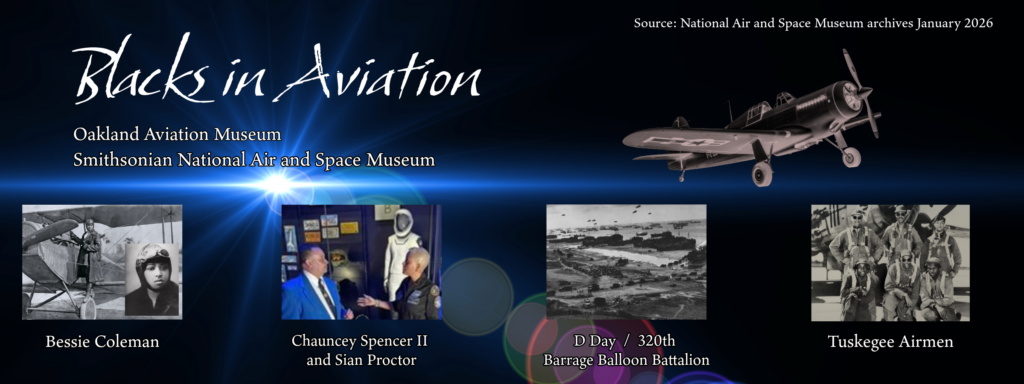
Bessie Coleman, “Brave Bessie,” was a trailblazing aviator who became the first African American and Native American woman to earn an international pilot’s license. Facing systemic racism in the U.S., she moved to France in 1921 to complete her training. Returning home, she became a famous barnstormer, renowned for her daring stunts and her refusal to perform at segregated venues. Though her life was tragically short, her defiance and skill shattered barriers in the sky. Coleman’s legacy as a pioneer paved the way for future generations of Black pilots, proving that no height is unreachable.

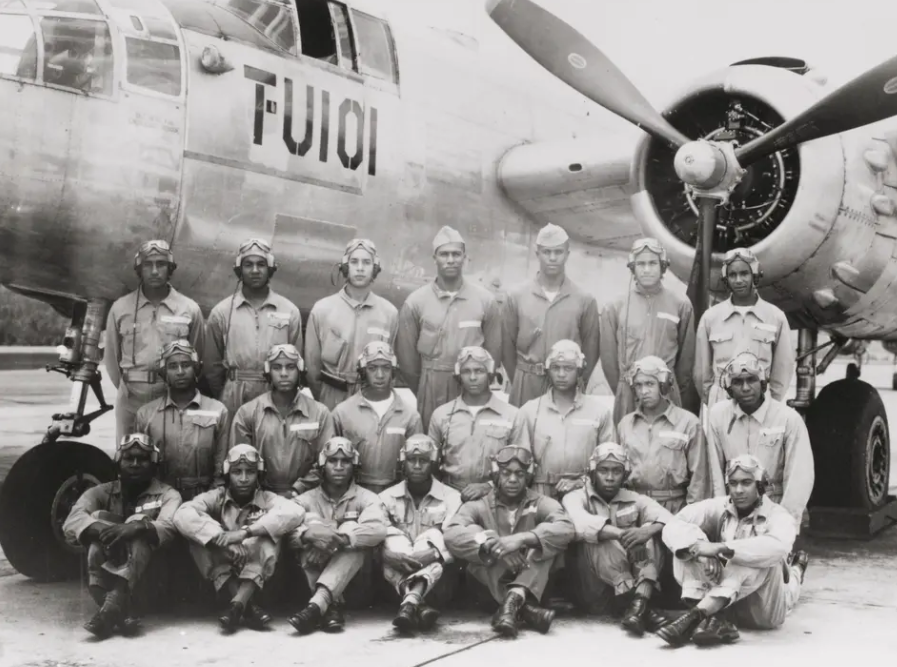
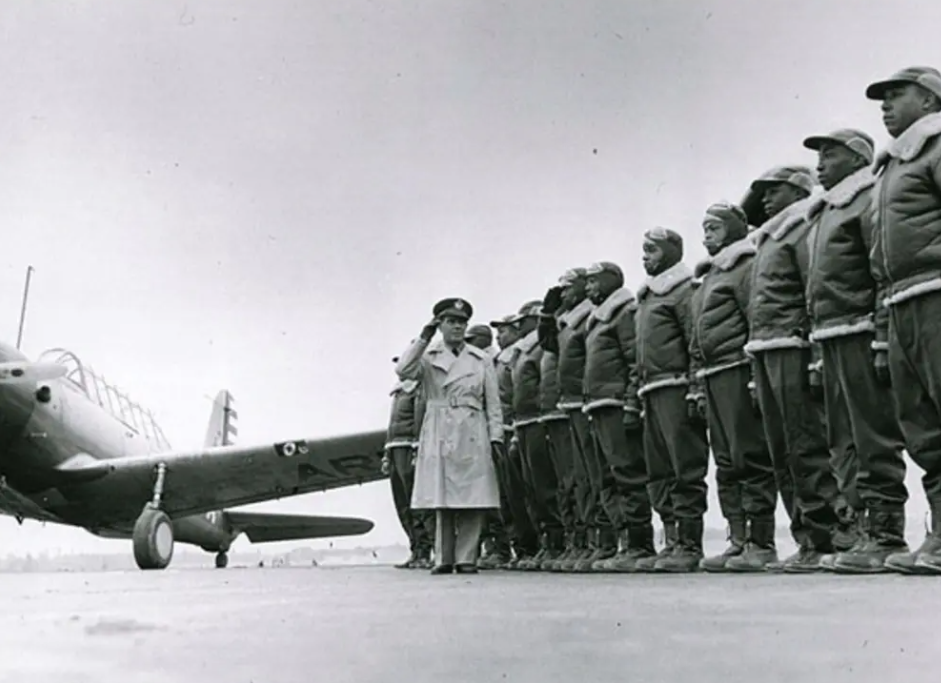
The Tuskegee Airmen were the first African American military aviators in the U.S. Armed Forces, elite pilots who shattered racial barriers during World War II. Trained in Alabama, they formed the 332nd Fighter Group and 99th Pursuit Squadron, famously known as the “Red Tails.” Flying over 1,500 missions, they compiled an exemplary combat record while escorting heavy bombers over Europe. Their courage and technical excellence provided an undeniable argument against segregation, directly influencing President Truman’s 1948 executive order to desegregate the military and paving the way for the modern Civil Rights Movement.

Dec 13, 2025                      By Cathleen Lewis

This summer, Commercial astronaut Sian Proctor came to the Museum on the day we opened five new galleries at our Washington, DC, location. Proctor was participating in a Museum talk about the Inspiration4 mission on board the Crew Dragon capsule. The launch and entry suit she wore on the mission is now  on display in the new Futures in Space gallery. After listening to Proctor’s talk, I went………

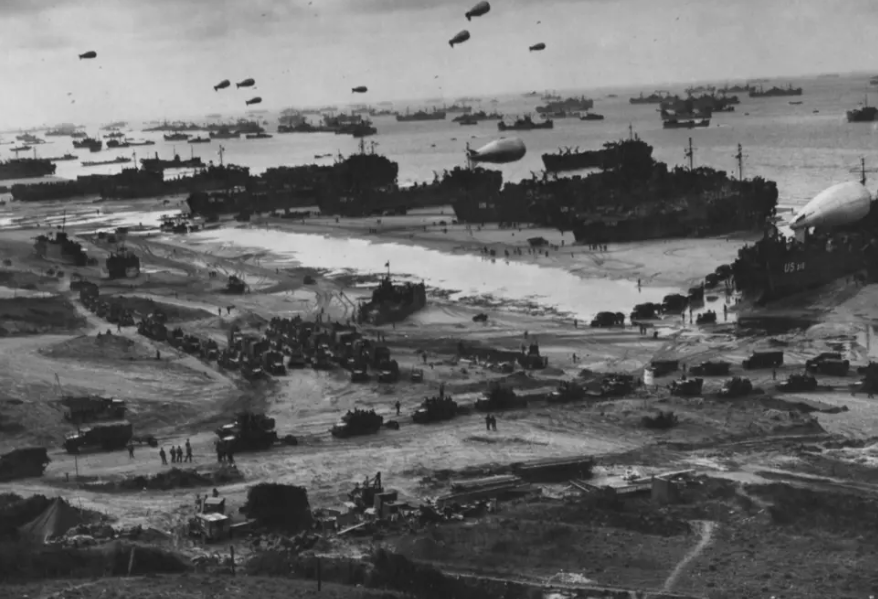
The 320th Barrage Balloon Battalion was the only all-Black unit to participate in the D-Day landings at Normandy on June 6, 1944. Tasked with a critical defense mission, these soldiers deployed massive hydrogen-filled balloons to deter German dive-bombers and protect Allied troops on Omaha and Utah Beaches.

Landing under heavy fire, the men of the 320th worked in grueling conditions to maintain their aerial screens. One medic, Waverly Woodson Jr., saved dozens of lives despite being seriously wounded himself. Their bravery challenged the era’s racial prejudices, earning them a commendation from General Eisenhower and securing their legacy in military history.

Learn about the impact African American and Black people from across the globe have had on air and space.